


Best Books to Learn About Stocks (2026)
Eight books to read before your first stock pick, with a UK lens for 2026
Key takeaways
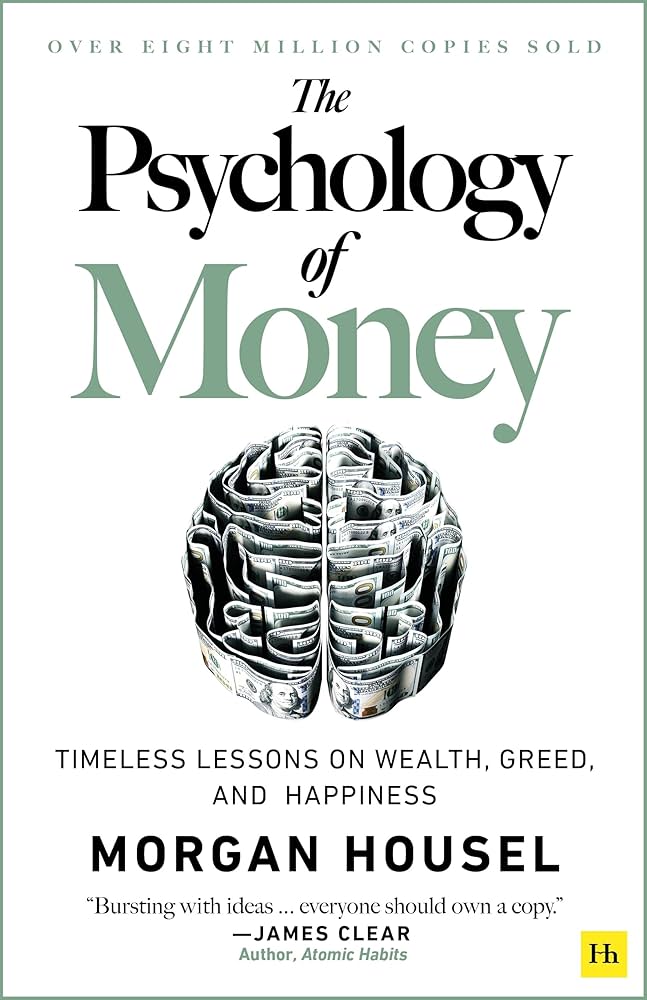
- • Start with mindset: Morgan Housel's The Psychology of Money tackles the emotional side that drives most investing mistakes
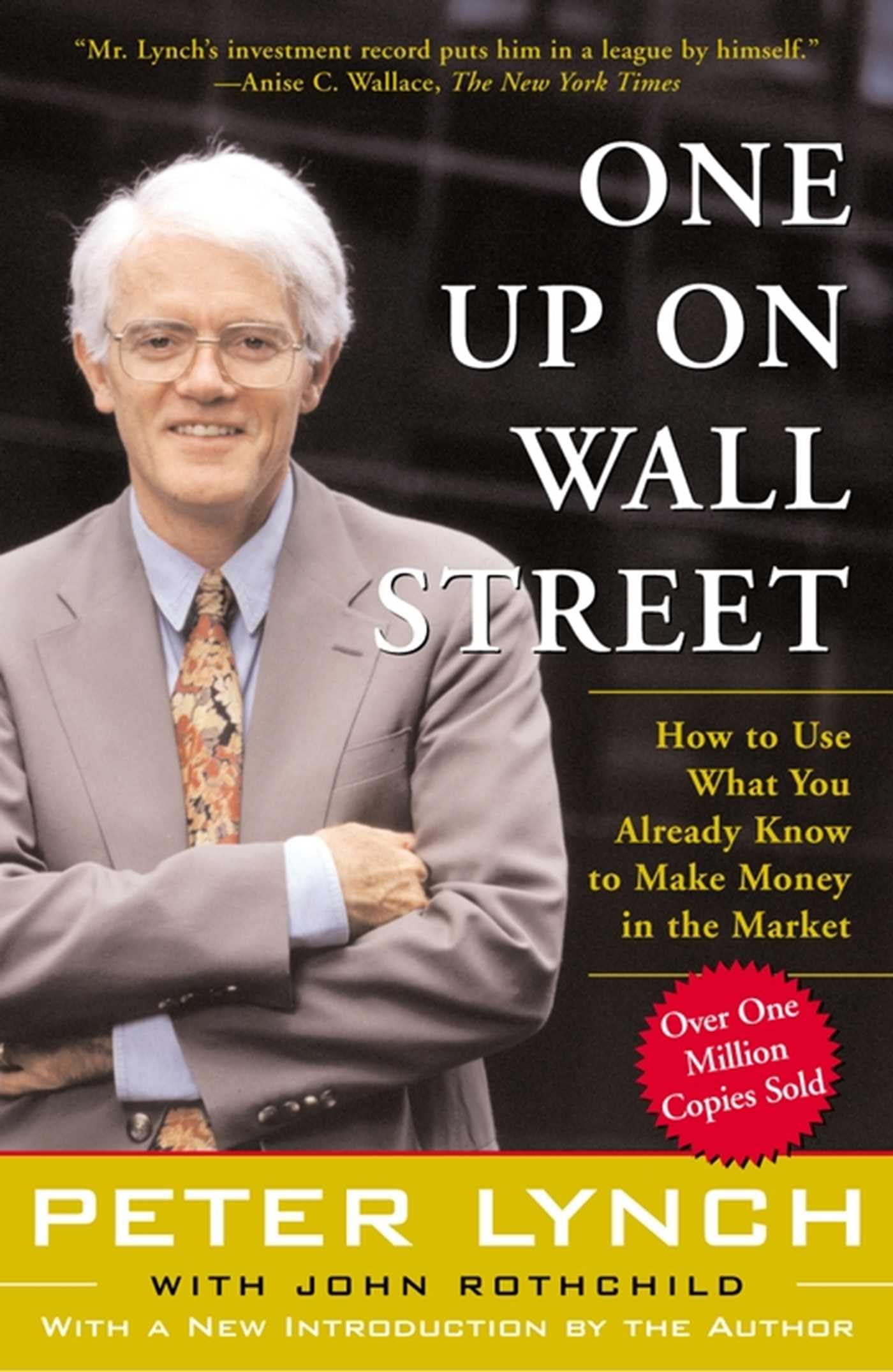
- • Peter Lynch's One Up On Wall Street teaches the 'invest in what you know' framework and how to characterise companies (fast growers, stalwarts, etc.)
- • Leon Boros' The Snowball Effect documents a UK ISA investor turning consistent contributions into a £1.7M tax-free portfolio over two decades
- • Anthony Bolton's Investing Against the Tide brings a rare UK and European perspective after 28 years running Fidelity Special Situations
- • Together the eight books cover mindset, valuation, financial statements, moats and UK-specific tax-efficient investing strategies
What it's about:
This isn't a book about stock picking or financial models. It's about the weird, wonderful and often irrational relationship we all have with money. Housel uses 19 short stories to explore how personal history, ego, fear and optimism shape our financial decisions far more than spreadsheets ever will. It covers everything from why people go bankrupt after winning the lottery to why "enough" is the hardest financial concept to master.
Why it's useful:
What it's about:
Legendary fund manager Peter Lynch explains his strategy of looking for potential investments in your everyday life (at the grocery store, your office, etc.). He stresses understanding a company's product and story over complex economic theories.
Why it's useful:
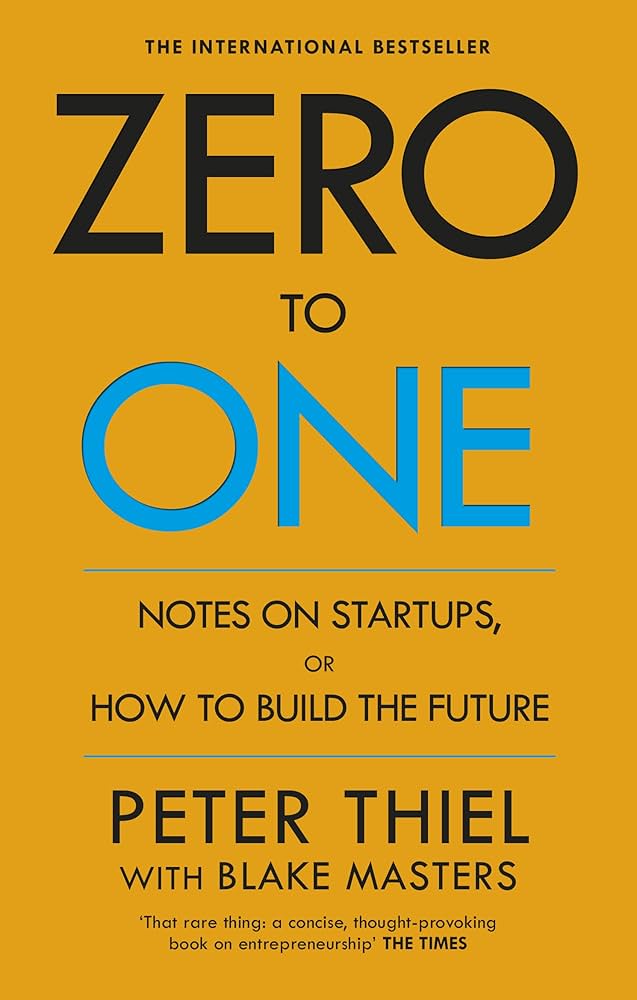
Zero to One: Notes on Startups, or How to Build the Future
Peter Thiel (with Blake Masters)
Buy on Bookshop.orgWhat it's about:
Whilst not specifically about stocks, this book argues that the best businesses are monopolies that create something entirely new, rather than just competing in an existing market. It teaches you to look for companies with a "moat" a strong advantage that protects profits.
Why it's useful:

What it's about:
This is a dive into 200 years of market history. Siegel shows that despite wars, recessions, and crashes, stocks (equities) are the single best asset class for building wealth over a lifetime. This book covers a lot of overall market principles and pitfalls to watch out for. An absolute must as one of the first books you read.
Why it's useful:
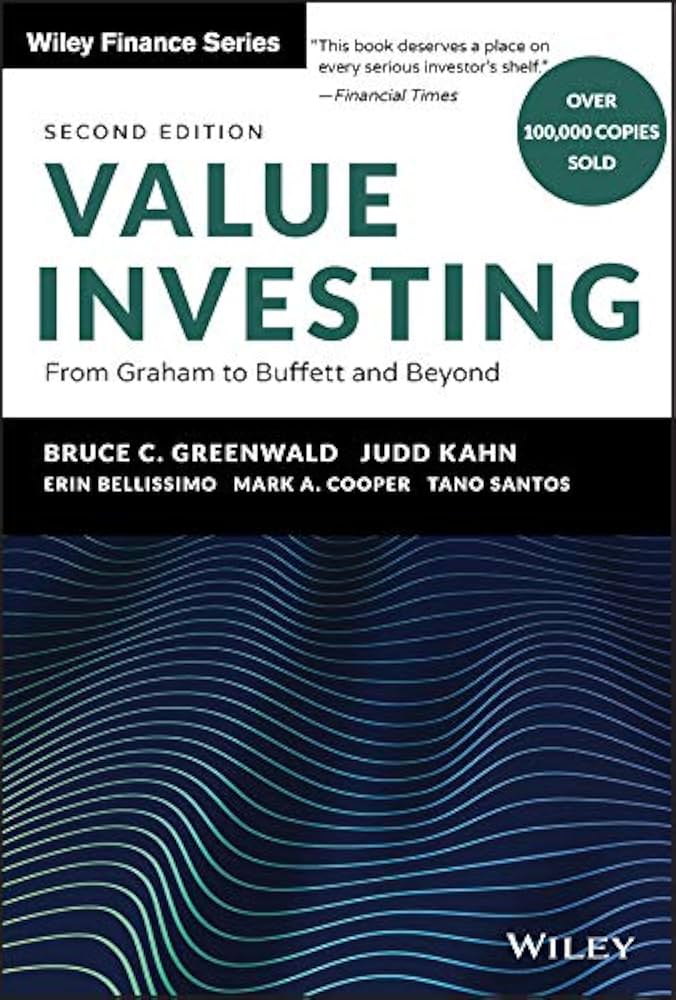
Value Investing: From Graham to Buffett and Beyond
Bruce Greenwald, Judd Kahn, Paul Sonkin, & Michael van Biema
Buy on Bookshop.orgWhat it's about:
The definitive academic guide that defines how to calculate a company's intrinsic value (what it is actually worth). It gives you a clear method for finding companies trading for less than their true worth. Whilst some of the concepts are less relevant in today's technology driven world, the core process of evaluating a company's worth is the same and an extremely valuable tool to have in your investing arsenal.
Why it's useful:
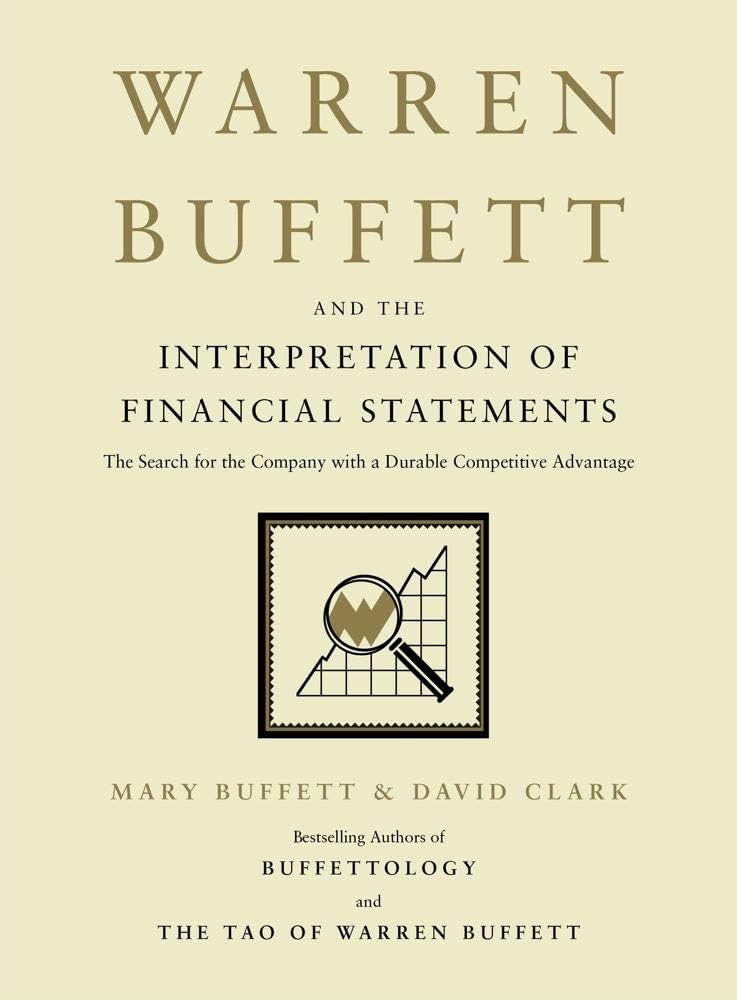
Warren Buffett and the Interpretation of Financial Statements
Mary Buffett & David Clark
Buy on Bookshop.orgWhat it's about:
This book translates Warren Buffett's investment logic into a clear method for reading a company's financial reports. It focuses on the key numbers that show if a business is truly great and durable.
Why it's useful:

What it's about:
Leon Boros became one of the UK's roughly 200 ISA millionaires by investing in individual shares through his Stocks and Shares ISA over more than two decades. Originally shared through ShareSoc, this paper documents his journey from modest contributions to a portfolio worth over £1.7 million, with ten key lessons along the way.
Why it's useful:
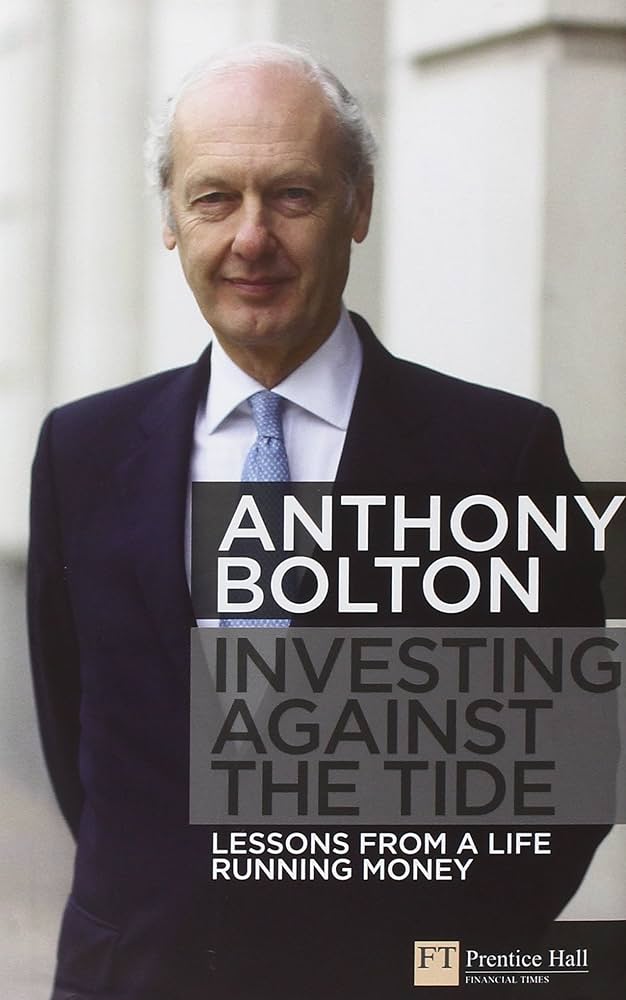
What it's about:
Anthony Bolton managed the Fidelity Special Situations Fund for 28 years, turning £1,000 into £147,000. He distils his contrarian investment philosophy into practical lessons on assessing companies, evaluating management, building conviction, and knowing when to admit you're wrong.
Why it's useful:
Continue Learning
Frequently asked questions
Ready to Put Your Knowledge Into Practice?
Apply what you've learned with AI-powered stock analysis
No credit card required • Get started in seconds